

Instrumentation Specifications
Define detailed specifications for instruments to ensure proper selection, performance, and integration.
Service Overview
At Engineering Design Services, our instrumentation specifications services provide the detailed engineering required to define, select, and standardize field instrumentation across industrial facilities. EDS translates process requirements into precise instrument specifications that support accurate measurement, control, and monitoring of plant operations.
Our team works closely with clients to develop specification packages that clearly define instrument type, range, materials of construction, environmental ratings, and installation requirements. These specifications ensure consistency across projects and provide a reliable basis for procurement, design integration, and field installation.
From new facility development to system upgrades and instrumentation replacements, we ensure specifications are aligned with process conditions, control strategies, and industry standards.
By integrating instrumentation engineering, process design, and control system requirements, we deliver instrumentation specifications that reduce procurement errors, improve operational reliability, and support long-term maintainability.
Whether supporting greenfield projects, brownfield modifications, or facility standardization efforts, our team delivers instrumentation specification solutions built for accuracy, consistency, and performance.
Engineering Challenge We Solve
Incomplete or inconsistent instrumentation specifications can lead to incorrect device selection, installation issues, and poor system performance. Our approach addresses these challenges by:
Improving Equipment Accuracy: Ensuring instruments are properly selected for process conditions and control needs.
Reducing Procurement Errors: Eliminating ambiguity in datasheets and technical requirements.
Enhancing System Reliability: Specifying instruments that perform consistently in real operating environments.
Supporting Code & Standards Compliance: Aligning specifications with ISA, IEC, and project requirements.
Improving Lifecycle Performance: Selecting instrumentation suited for long-term operation and maintenance.
Core Capabilities
Our team provides comprehensive instrumentation specification support across all project phases:
Instrument Specification Development: Creation of detailed technical requirements for field instruments.
Instrument Datasheet Preparation: Standardized datasheets for procurement and vendor evaluation.
Material & Service Compatibility Review: Selection based on process fluids, pressures, temperatures, and environments.
Control System Integration Requirements: Alignment with DCS, PLC, and safety system inputs/outputs.
Hazardous Area Instrument Specifications: Definition of explosion-proof and intrinsically safe requirements.
Existing System Standardization: Review and alignment of installed instrumentation with updated standards.
Advanced Tools & Technical Expertise
We apply proven engineering practices and recognized standards to ensure high-quality deliverables:
Industry Standards: Compliance with ISA 20, IEC, NEC, API, and client-specific specifications.
Process Integration: Close coordination with process design and operating conditions.
Instrumentation Database Integration: Alignment with structured systems such as SmartPlant Instrumentation (SPI) where applicable.
Cross-Discipline Coordination: Integration with electrical, controls, and mechanical engineering teams.
Vendor Coordination Support: Clear, procurement-ready documentation for manufacturer engagement.
Industries We Support
Our instrumentation specifications services support industries where precise measurement and control are critical:
Petrochemicals: Refineries, chemical plants, and process facilities with complex instrumentation needs.
Energy: Oil & gas production, LNG facilities, and power generation systems.
Sustainable Infrastructure: Hydrogen production, carbon capture, and renewable energy systems.
Industrial Manufacturing: Heavy industrial plants, utilities, and manufacturing operations.
Themed Entertainment: Facility infrastructure and behind-the-scenes control systems.
Aerospace: Test systems, ground support equipment, and specialized process instrumentation.
Deliverables
We provide clear, structured outputs to support procurement, design, and construction:
Instrument Specification Sheets: Detailed technical requirements for each instrument type.
Instrument Datasheets: Standardized procurement-ready documentation.
Material Selection Documentation: Process-appropriate material and compatibility definitions.
Hazardous Area Specifications: Classification-based instrumentation requirements.
Control System Interface Requirements: I/O, signal type, and integration specifications.
Design Review Documentation: Comments, clarifications, and resolution tracking.
Electrical & Instrumentation experience
Engineering Design Services support industrial facilities and infrastructure projects requiring reliable, code-compliant, and performance-driven power, controls, and automation solutions. Our experience includes facility upgrades, power distribution systems, control panel design, instrumentation integration, and utility coordination across a wide range of industrial environments. We focus on ensuring safe, efficient, and scalable electrical and control systems that support both operational performance and long-term reliability.

Pressure Vessel Design
Petrochemicals
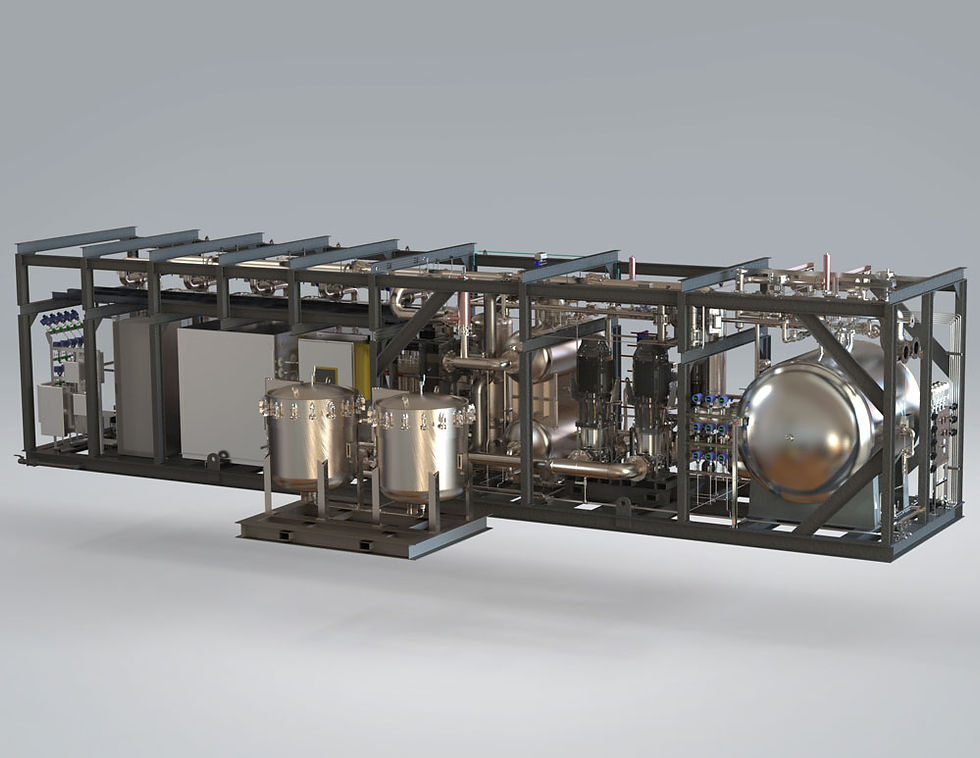
Engineering support was provided for a large-scale LPG fractionation facility in South Texas, including the design of bullet tanks exceeding 150 feet in length.
.webp)
Frequently Asked Questions
Explore common questions related to industrial 3D modeling, engineering workflows, facility modifications, operational reliability, and multidisciplinary coordination.
What is the purpose of Instrumentation Specifications in industrial facilities?
Why is Instrumentation Specifications important for industrial operations?
How does Instrumentation Specifications improve safety and reliability?
When should Instrumentation Specifications be implemented or updated?
What are the key benefits of Instrumentation Specifications?

Partner With an Expert
From process requirements to procurement-ready documentation, EDS delivers instrumentation specifications that improve accuracy, reduce risk, and support reliable plant performance.
Contact us today to ensure your instrumentation systems are clearly defined, properly selected, and built for long-term success.