

One Line Diagrams
Develop single-line diagrams that clearly represent electrical system distribution and major components.
Service Overview
At Engineering Design Services, our one-line diagram services provide the foundational electrical documentation required to understand and communicate how power is distributed throughout a facility. EDS develops clear representations of electrical systems that simplify complex networks into an easily interpretable format.
Our team works closely with clients to design one-line diagrams that accurately reflect power sources, transformers, switchgear, protective devices, distribution panels, and major loads. From conceptual design through detailed engineering and as-built updates, we ensure diagrams remain consistent with actual system configuration and operating intent.
By integrating electrical engineering expertise, system studies, and field verification, we deliver one-line diagrams that support design development, construction, commissioning, and long-term asset management.
Whether supporting new facility builds, system expansions, or electrical upgrades, our team delivers one-line diagram solutions built for clarity, accuracy, and operational reliability.
Engineering Challenge We Solve
Incomplete or inaccurate one-line diagrams can lead to design errors, safety risks, troubleshooting challenges, and maintenance inefficiencies. Our approach addresses these challenges by:
Improving System Clarity: Providing a clear representation of electrical distribution and power flow.
Enhancing Safety: Supporting arc flash, coordination, and fault analysis studies.
Reducing Design Errors: Ensuring consistency across electrical documentation and field installations.
Supporting Maintenance & Operations: Enabling faster troubleshooting and system understanding.
Ensuring Code Alignment: Reflecting system design in accordance with NEC and IEEE requirements.
Core Capabilities
Our team provides comprehensive one-line diagram services across all project phases:
New One-Line Diagram Development: Creation of complete electrical system representations from source to load.
Existing System Updates: Revision of diagrams to reflect plant expansions, upgrades, or modifications.
Power Distribution Mapping: Definition of transformers, switchgear, MCCs, panels, and feeders.
Protective Device Integration: Inclusion of breakers, fuses, relays, and coordination data.
System Study Integration: Alignment with short circuit, load flow, and coordination studies.
As-Built Documentation: Finalized diagrams reflecting installed field conditions.
Advanced Tools & Technical Expertise
We apply proven engineering methods and recognized industry standards to ensure high-quality deliverables:
Industry Standards: Compliance with NEC, IEEE, NFPA 70E, and client-specific requirements.
Power System Analysis Integration: Coordination with electrical study results for accuracy.
Electrical Modeling Tools: Use of advanced software for system representation and validation.
Cross-Discipline Coordination: Integration with instrumentation, mechanical, and process teams.
Constructability Focus: Diagrams designed for practical use in field installation and maintenance.
Industries We Support
Our one-line diagram services support industries where reliable power system documentation is essential:
Petrochemicals: Refineries, chemical plants, and process facilities with complex electrical networks.
Energy: Oil & gas production, LNG facilities, and power generation systems.
Sustainable Infrastructure: Hydrogen production, carbon capture, and renewable energy systems.
Industrial Manufacturing: Heavy industrial plants, utilities, and manufacturing operations.
Themed Entertainment: Facility infrastructure and critical support systems behind the scenes.
Aerospace: Ground support systems, test facilities, and specialized electrical infrastructure.
Deliverables
We provide clear, structured outputs to support design, construction, and operations:
One-Line Diagrams: Complete electrical system representation from source to load.
Updated System Diagrams: Revisions reflecting facility modifications or expansions.
Equipment and Feeder Schedules: Supporting documentation for system components.
Protective Device Mapping: Integration of breakers, relays, and coordination references.
Study-Ready Diagrams: One-lines prepared for arc flash, coordination, and fault analysis.
As-Built Documentation: Verified diagrams reflecting installed system conditions.
Electrical & Instrumentation experience
Engineering Design Services support industrial facilities and infrastructure projects requiring reliable, code-compliant, and performance-driven power, controls, and automation solutions. Our experience includes facility upgrades, power distribution systems, control panel design, instrumentation integration, and utility coordination across a wide range of industrial environments. We focus on ensuring safe, efficient, and scalable electrical and control systems that support both operational performance and long-term reliability.

Pressure Vessel Design
Petrochemicals
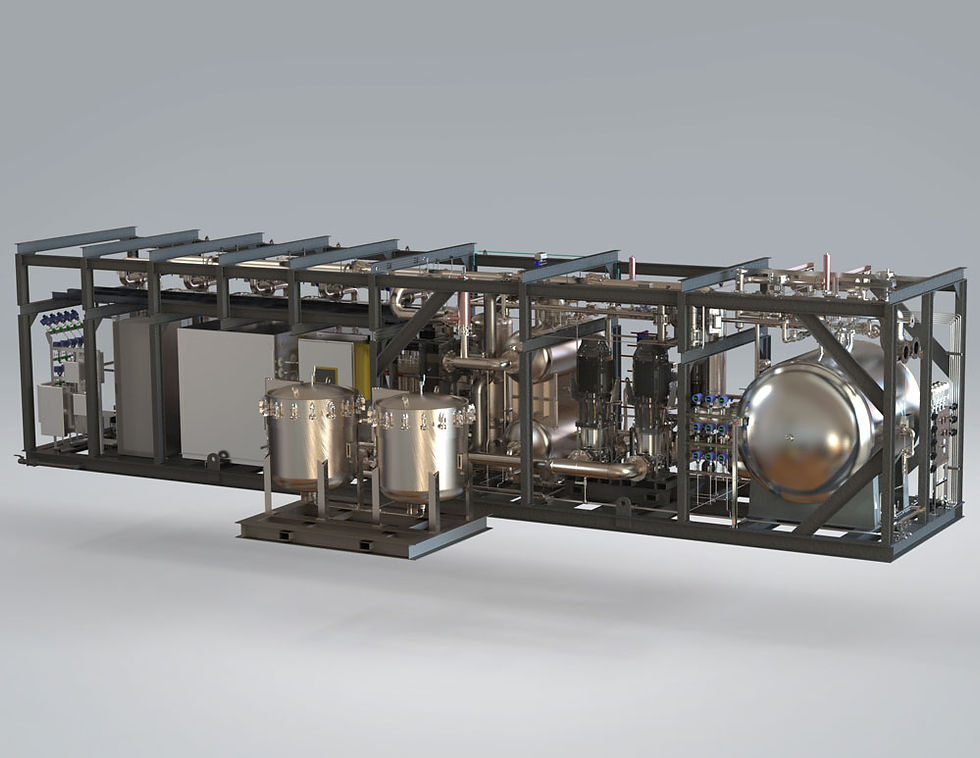
Engineering support was provided for a large-scale LPG fractionation facility in South Texas, including the design of bullet tanks exceeding 150 feet in length.
.webp)
Frequently Asked Questions
Explore common questions related to industrial 3D modeling, engineering workflows, facility modifications, operational reliability, and multidisciplinary coordination.
What is the purpose of One Line Diagrams in industrial facilities?
Why is One Line Diagrams important for industrial operations?
How does One Line Diagrams improve safety and reliability?
When should One Line Diagrams be implemented or updated?
What are the key benefits of One Line Diagrams?

Partner With an Expert
From conceptual design to final as-built documentation, EDS delivers one-line diagrams that improve system understanding, enhance safety, and support reliable electrical operations.
Contact us today to ensure your electrical systems are clearly defined, properly documented, and built for long-term performance.