
Designing for Compliance Without Compromising Practicality
Updated: Jun 22
Navigating OSHA and EPA Requirements While Still Delivering Practical Engineering Solutions

In today’s industrial and infrastructure landscape, engineering projects don’t just need to work; they need to comply. Regulations from organizations like the Occupational Safety and Health Administration (OSHA) and the Environmental Protection Agency (EPA) play a critical role in how facilities are designed, built, and operated.
But here's the challenge: compliance alone isn't enough. The best engineering partners don't just interpret regulations, they translate them into practical solutions.
So, who actually does this well?
The Difference Between "Checking the Box" and Real Expertise
Many firms can read codes and standards. Fewer can apply them effectively, keeping your project moving efficiently. An engineer who is truly effective in navigating OSHA and EPA requirements will:
Understand Intent, Not Just Rules
Regulations are often written broadly. Strong engineers understand the why behind the rule, enabling smarter, more flexible solutions.
Integrate Compliance Early in Design
Instead of reacting to issues later, they design systems that inherently meet safety and environmental standards from day one.
Balance Safety with Practicality
Overengineering for compliance can drive unnecessary cost and complexity. The right team finds the middle ground.

What This Looks Like in Real Projects
In practice, navigating OSHA and EPA requirements while delivering practical solutions might include:
Smarter Layouts and Access Design
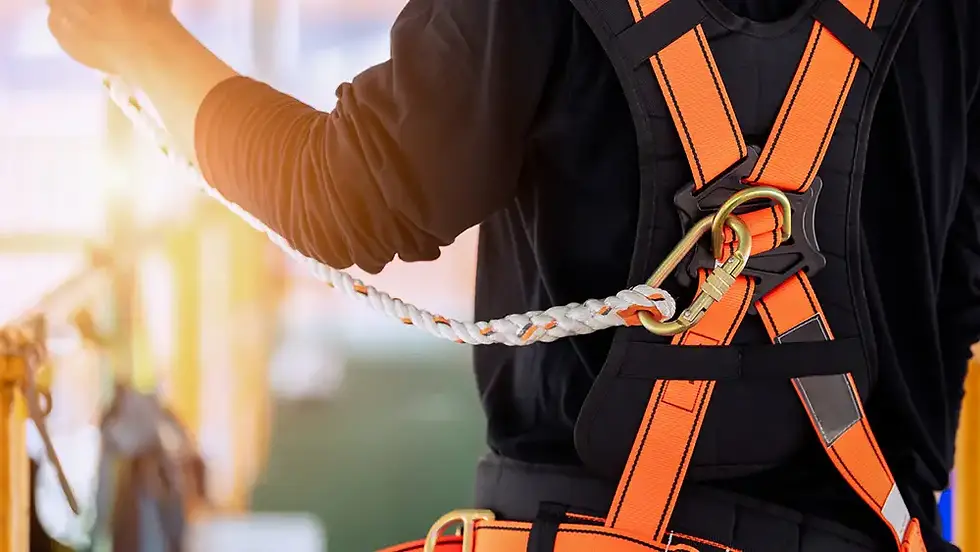
Ensuring safe access, maintenance clearances, and fall protection without overcomplicating structural or piping layouts.
Air, Water, and Emissions Considerations
Designing systems that meet emissions or discharge requirements while still being efficient to operate and maintain.
Hazard Identification Without Overdesign
Recognizing real risk and solving them without adding unnecessary layers of equipment or controls
Documentation That Actually Helps
Not just producing compliance paperwork, but creating drawings, models, and reports that contractors and operators can actually use.
The Value of Field-Aware Engineers
One of the biggest differentiators is whether an engineering team understands how things are built, not just how they’re designed. Teams that regularly perform site visits, coordinate with fabricators, and observe installation in the field are far better at applying OSHA and EPA requirements in a way that works in reality, not just on paper. They know where compliance issues typically arise and how to prevent them before they become costly delays.
Why This Matters to Your Project
Choosing the right engineering partner impacts more than just compliance it affects:
Project Schedule
Cost Control
Constructability
Long-Term Operations
What to Look for in an Engineering Partner
If your project involves OSHA and EPA considerations, look for a team that:
Has experience across multiple industries and regulatory environments
Can clearly explain how regulations impact your specific project
Demonstrates a balance between technical accuracy and practical execution
Stays involved beyond design, into fabrication and construction phases

Final Thoughts
The best engineers don't treat OSHA and EPA requirements as obstacles; they treat them as design parameters. When handled correctly, compliance becomes part of a well-thought-out solution rather than a last-minute hurdle. That's the difference between a project that simply passes inspection and one that runs smoothly from concept to completion.
Read More: Explore how a strategic approach to capital improvement planning helps prioritize investments and improve long-term project performance.


