Power Plant Engineering: High Energy Piping, Steam Systems, and Modern Engineering Methods
Updated: Jun 24

Power plants depend on complex mechanical and fluid systems to generate electricity safely, efficiently, and reliably. Among the most critical of these systems are high-energy piping networks that handle steam, condensate, and feedwater under extreme temperatures and pressures.
When these systems are not properly designed, analyzed, or maintained, the consequences can be severe, ranging from reduced efficiency and costly downtime to major safety risks. This is why power plant engineering requires a combination of detailed analysis, modern inspection methods, and long-term planning to keep operations running smoothly.
High Energy Piping in Power Plants
High-energy piping refers to systems that transport high-temperature, high-pressure fluids, most commonly steam and feedwater, throughout a power generation facility. These systems are essential for moving energy from boilers to turbines and supporting critical plant operations.
Common examples include main steam lines, hot and cold reheat piping, feedwater systems, and auxiliary steam lines.
Because these systems operate under demanding conditions, engineers must carefully evaluate factors such as thermal expansion, contraction during shutdowns, cyclic fatigue, creep at elevated temperatures, and weld integrity over time. Even small issues can lead to major reliability concerns if left unaddressed.
Steam System Design and Performance
Steam systems are at the center of power generation. Steam drives turbines, transfers thermal energy, and supports auxiliary equipment throughout the facility. Proper steam system design directly impacts plant efficiency, reliability, and operating costs.
Key components often include boiler outlet piping, turbine inlet lines, steam distribution headers, pressure control systems, and safety relief devices.
Engineering these systems requires balancing flow efficiency, pressure management, temperature control, and equipment protection. Poor steam distribution or improper pressure control can create vibration issues, energy losses, and unnecessary strain on equipment.
Steam Condensate Collection and Feedwater Systems
After steam passes through the turbine cycle, it must be condensed and returned through condensate collection and feedwater systems. These systems help recover energy, improve efficiency, and maintain consistent plant operation.
Typical equipment includes condensate return lines, deaerators, feedwater pumps, and heater drain systems.
Common challenges include corrosion caused by dissolved oxygen, water hammer from sudden pressure changes, flow instability, and heat loss in return lines. Proper system design and ongoing evaluation help prevent these issues from impacting production.
Pipe Stress Analysis for Reliability
Pipe stress analysis is one of the most important engineering tools used in power plants. It helps determine whether piping systems can safely withstand operational loads caused by pressure, temperature changes, dead weight, vibration, and external forces.
Without proper stress analysis, systems may experience excessive movement, overstressed supports, nozzle loading issues, or long-term fatigue failures.
By identifying these risks early, engineers can improve system reliability, reduce maintenance costs, and extend equipment life.
Modern Inspection Methods
Drone Inspections
Drone inspections have become an increasingly valuable tool for evaluating hard-to-access areas within power plants. Instead of relying solely on scaffolding, shutdowns, or manual inspections, facilities can use drone technology to safely gather high-resolution visual data.
Common applications include elevated piping systems, pipe racks, structural steel, cooling towers, and exterior condition assessments.
This approach improves safety, reduces inspection costs, and allows faster identification of potential issues before they become major failures.
Laser Scanning and 3D Modeling
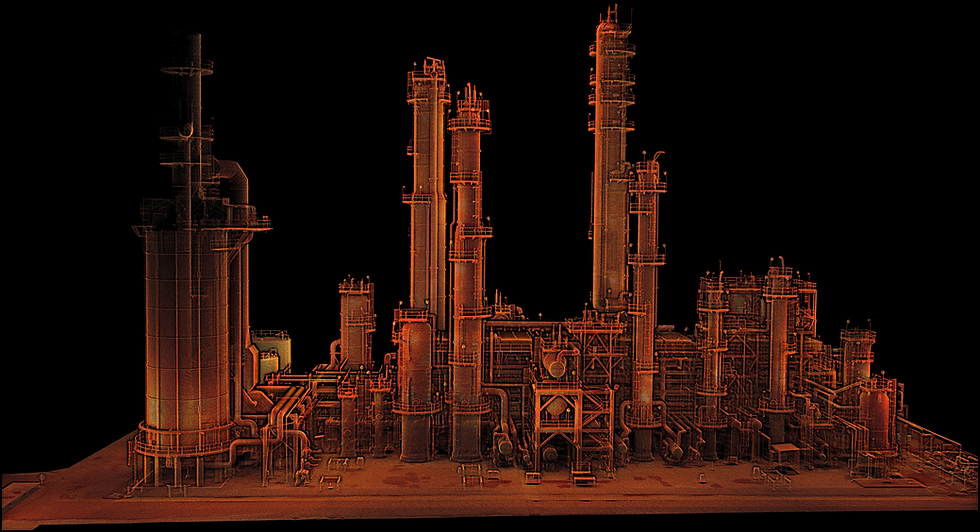
Laser scanning and 3D modeling provide highly accurate digital representations of existing plant systems. These technologies are especially valuable during retrofits, expansions, and maintenance planning.
Engineers use laser scanning for as-built documentation, modification planning, clash detection, and creating digital plant models for future design work.
Accurate models help reduce field errors, improve coordination between disciplines, and support better decision-making during complex projects.
Structural Analysis in Power Plants
Power plants rely on extensive structural systems to support piping, vessels, and rotating equipment. Structural analysis ensures these support systems can safely handle operational loads and environmental conditions.
Important considerations include pipe rack loading, equipment support structures, vibration effects, and load distribution throughout the facility.
Misalignment, inadequate supports, or vibration-related failures can create serious operational and safety risks if not properly addressed.
Common Power Plant Engineering Challenges
Across power generation facilities, engineers frequently evaluate issues such as:
High energy piping fatigue
Steam line vibration
Feedwater corrosion and degradation
Condensate system inefficiencies
Structural misalignment
Flow imbalance in piping networks
Addressing these challenges requires more than isolated repairs—it requires a complete understanding of how systems interact across the plant.
The Value of an Integrated Engineering Approach
Modern power plant engineering combines multiple disciplines to improve reliability and long-term performance. Pipe stress analysis, flow modeling, structural evaluation, laser scanning, 3D modeling, and condition assessments all work together to support safer and more efficient operations.
Rather than reacting to failures after they occur, facilities benefit most from proactive engineering strategies that reduce risk before problems impact production.
Conclusion
Power plant piping and steam systems are some of the most critical infrastructure components in industrial operations. Their performance depends on proper design, detailed analysis, modern inspection methods, and long-term system planning.
High energy piping systems, steam networks, feedwater systems, and supporting structures must all work together to ensure safe and reliable power generation.
With the right engineering approach, power plants can improve efficiency, reduce downtime, and extend the life of critical assets while maintaining the highest standards of safety and performance.
Read More: Understanding Tank Integrity